 |
 |
 |
| |
CEP Clients
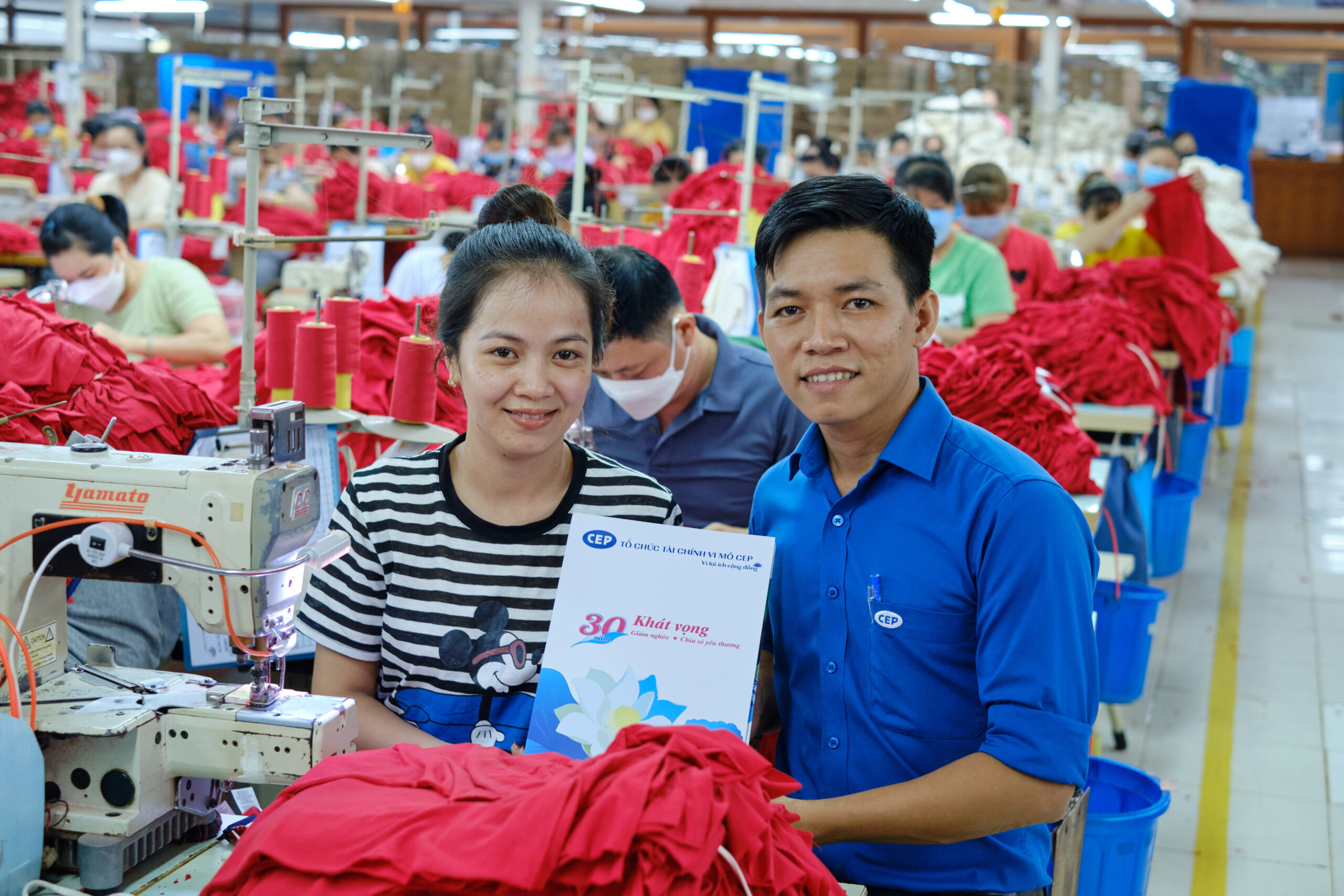
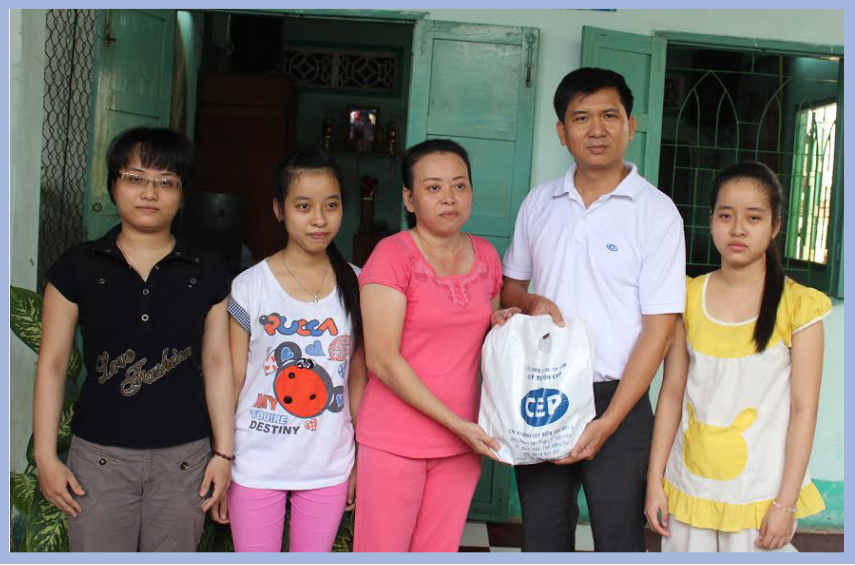
At the end of 2009 CEP provided credit to 134,141 active borrowers. ...
» more |
|
 |
 |
 |
 |
| |
|
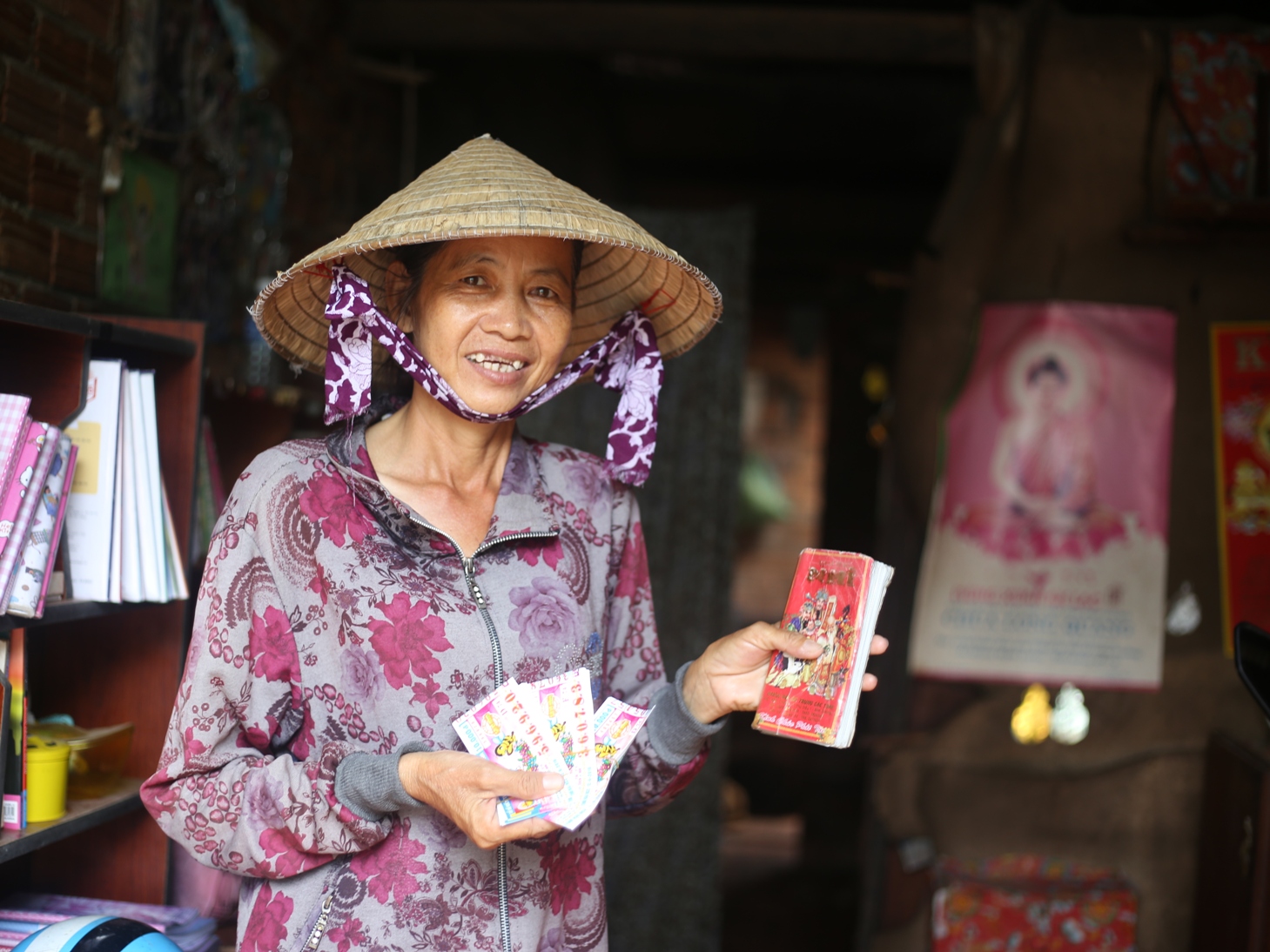
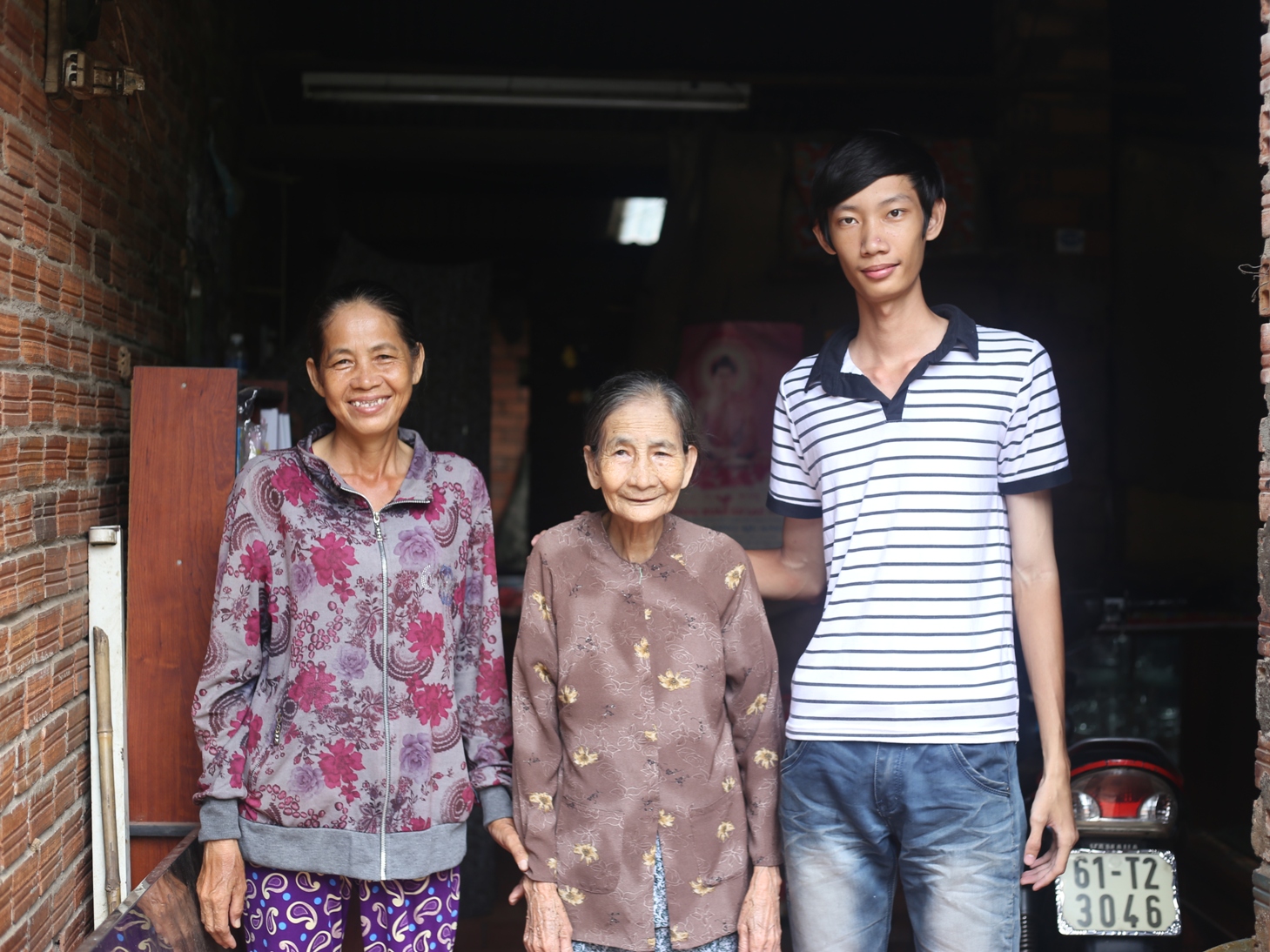
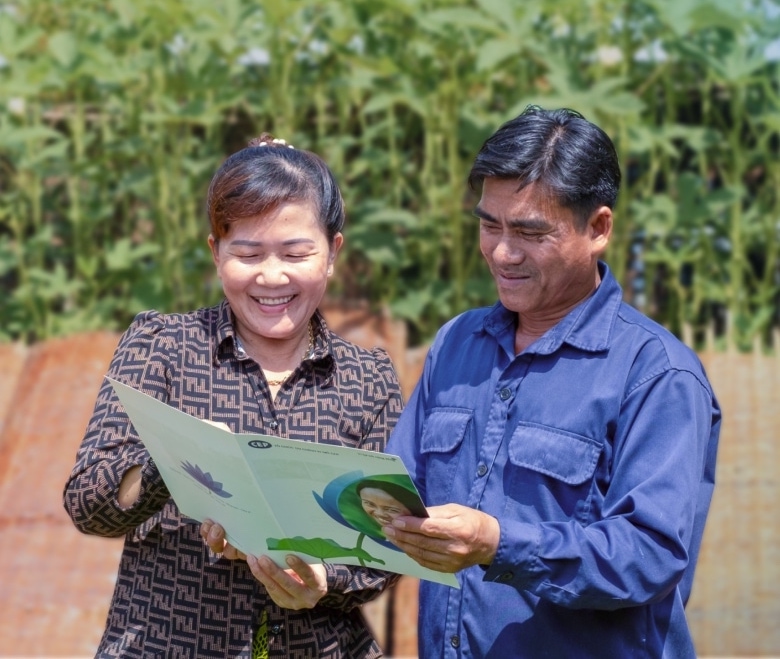
The target clients for CEP are the poor and poorest (as defined by CEP's poverty classification). Within HCMC this target group includes migrants from other provinces in Vietnam residing in HCMC without residency permits. The communities of primary focus in HCMC are those living in non-permanent living conditions in urban slums and less developed areas on the fringe of urban zones. In the provinces outside HCMC, CEP targets poor labourers living in non-permanent living conditions in villages, on the periphery of towns, and in rural areas.
Clients are prioritised on the basis of their poverty ranking, with a minimum of 80% of new clients coming from the poor and poorest categories as outlined in the table below. However, on-going CEP clients that graduate into the moderately poor category are still provided with credit until they choose to leave the CEP program. The table provides an overview of each classification, and permutations across categories commonly occur. To ensure that a minimum of 80% of new clients are from the poor and poorest categories, as part of CEP’s initial credit assessment of clients, each CEP Branch records the poverty classification of all new clients.
In addition to the poverty ranking that CEP employs to identify clients, 75% of new clients receiving loans are female. This is done to empower poor women by providing women with both greater financial responsibility and greater income-generating capacity. It also is done to increase the likelihood that all proceeds from the income-generating activity established with CEP credit will be prioritised on the primary needs of the household as identified by the woman generating the income.
The CEP client poverty classification categorises clients into poorest, poor and moderately poor on the basis of a composite indicator incorporating income, assets, housing condition, and dependency level. This indicator is used by CEP as a poverty targeting tool to ensure that CEP’s branches are providing their services to the poor. CEP developed this poverty classification system because it wanted to incorporate non-income based measures of poverty into its system to target clients, and because it could not use the predominately income-based measures that were being used in Vietnam in the 1990’s (due to the discrepancy between income levels and the cost of meeting basic needs across the different provinces of Vietnam). The income measure used in the CEP poverty classification is based on the poverty line set by the Vietnamese Government’s Hunger Eradication and Poverty Reduction program in HCMC, which is set at USD 1.80 per person per day (VND 12,000,000 per person per year for the period from 2009 to 2013) with no differentiation made between urban and rural areas.
| Classification |
Dependency |
Income |
Assets |
Housing |
| Poorest |
3 or more |
less than 0.90 |
None to minimal |
Low quality, non-permanent, no access to electricity and water |
| Poor |
2 to 3 |
0.90 to 1.80 |
Old and of low quality |
Low quality, semi-permanent, but with access to electricity and water |
| Moderately Poor |
Less than 2 |
More than 1.80 |
Low quality |
Permanent, and with access to direct electricity and water |
Back to top ˆ
|